
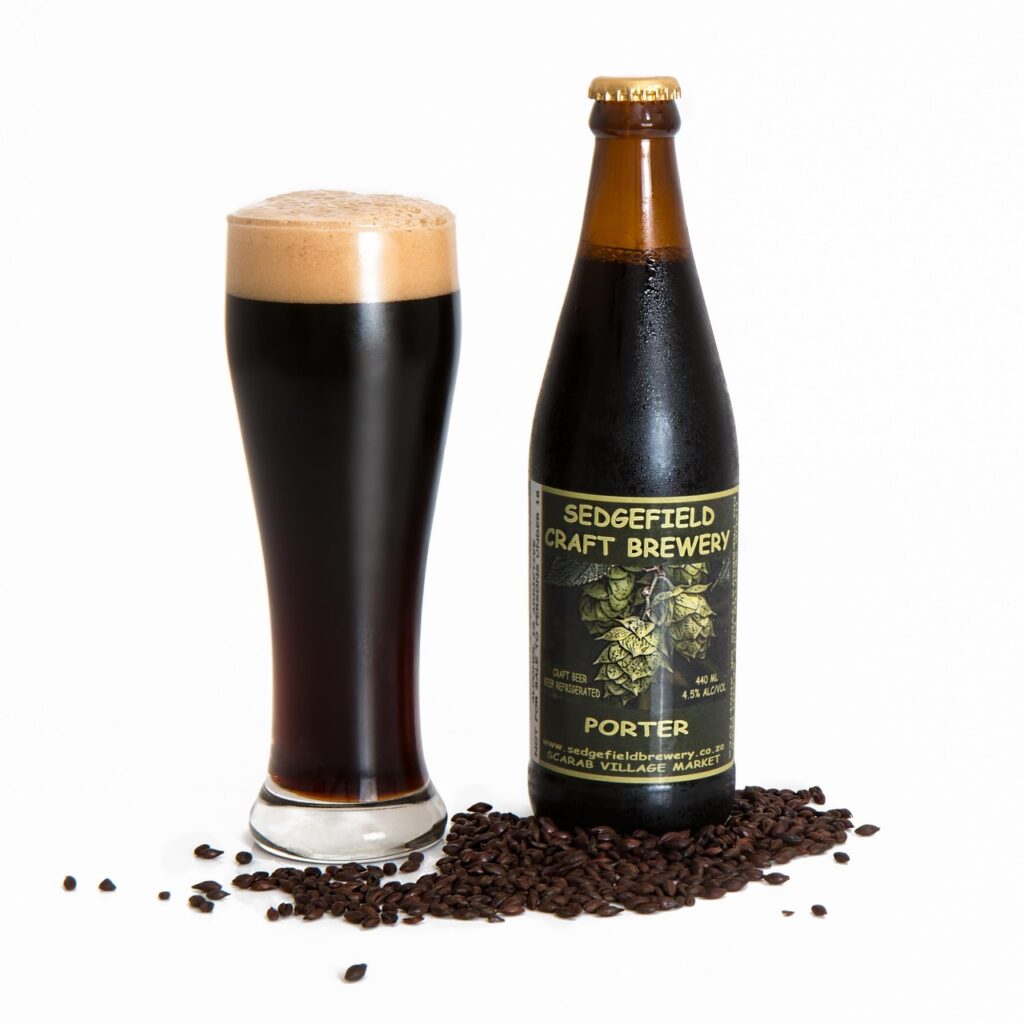
Lager and ale are the two big families of beer. The difference starts with yeast and how a beer is fermented, not with its color or strength. That’s why a lager can be golden or dark, and an ale can be light, hazy, or nearly black.
The difference starts with fermentation
Most ales ferment with top-fermenting yeast, generally at warmer temperatures than lagers. Those conditions often produce more noticeable yeast-derived flavors, such as fruity or spicy notes. Many lagers use bottom-fermenting yeast and ferment cooler. The yeast tends to leave a cleaner, subtler impression, so malt and hops can come through with clarity.
After fermentation, lagers are commonly conditioned cold for an extended period. That process is where the word “lager” comes from, and it can help the finished beer taste crisp and smooth. These are common approaches, not rules that make every beer taste the same. Brewing methods vary, and ingredients matter too.
What that means in the glass
A Czech pilsner is a kind of lager. It’s typically pale, crisp, and built around a balance of malt and hops. A lager can also be darker or richer; the family name alone doesn’t promise a particular color or flavor.
A West Coast IPA, hazy pale, and dry stout are ales. They’ll each have their own character, shaped by the recipe and brewing choices. An ale doesn’t automatically mean fruity, heavy, or high in alcohol, just as lager doesn’t automatically mean bland. Style names offer clues, not a complete tasting note.
How to choose between them
If you want a clean, crisp beer, a lager or pilsner may be a good place to start. If you’re curious about hop aroma, try an IPA or pale ale. For a darker beer, a dry stout is an option, while a sour made with Okanagan cherries offers a different kind of tartness. The style can help you narrow the field; your own preferences finish the job.
When reading a beer list, look at both the family and the style. “Lager” is a broad category; “Czech pilsner” tells you more. And when you try two beers side by side, notice what changes: aroma, bitterness, body, and finish. If you’d like help choosing a beer to compare, get in touch with Kalamalka Brewing.